
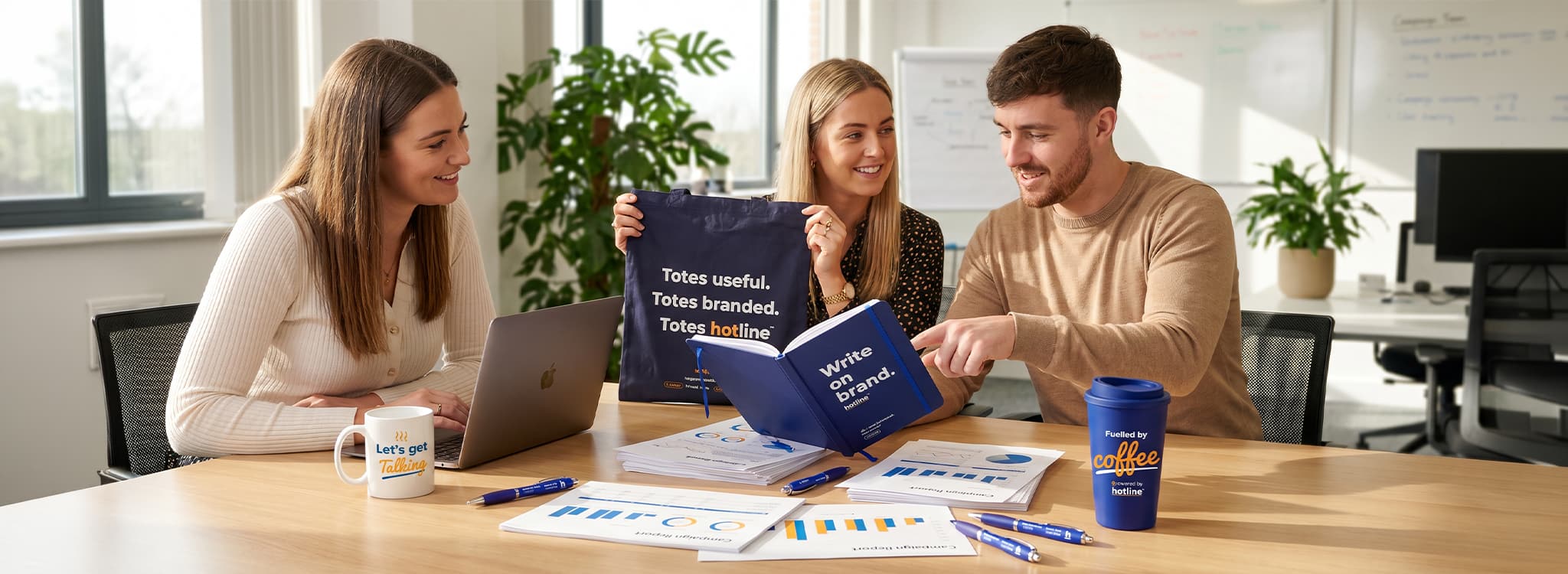
Promotional products strategies should be reviewed regularly to ensure products remain relevant, effective, and aligned with business goals. By auditing product performance, measuring ROI, understanding audience preferences, and improving product selection, organisations can generate better engagement, stronger brand visibility, and improved marketing results.

Promotional products continue to be one of the most effective ways to increase brand visibility, support marketing campaigns, engage employees, and strengthen customer relationships.
However, simply distributing branded merchandise is not enough. Organisations that achieve the best results regularly review their promotional products strategy to ensure their investment is delivering measurable value.
Whether you use printed products at trade shows, corporate events, recruitment campaigns, customer loyalty programmes, or employee onboarding initiatives, a structured audit can reveal what’s working, what’s not, and where improvements can be made.
If you’re reviewing your current approach to branded merchandise, exploring the latest promotional product options can help identify opportunities for improvement.
Why Your Promotional Products Strategy Should Be Reviewed Regularly
A promotional products strategy should evolve alongside your business objectives, audience expectations, and marketing activities.
Products that performed well three years ago may no longer be relevant today. Likewise, changes in working patterns, sustainability priorities, or event formats can affect how people interact with branded merchandise.
Regular audits help organisations:
• Improve promotional products ROI
• Eliminate underperforming products
• Identify new opportunities
• Increase brand visibility
• Improve audience engagement
• Reduce wasted budget
What Does a Successful Promotional Products Strategy Look Like?
A successful promotional products strategy is built around clear objectives, audience relevance, and measurable outcomes.
Clear Objectives
Before assessing performance, determine what each campaign was designed to achieve.
Common objectives include:
• Lead generation
• Brand awareness
• Event engagement
• Customer retention
• Employee recognition
• Recruitment support
Without clear objectives, measuring success becomes difficult.
Relevant Product Selection
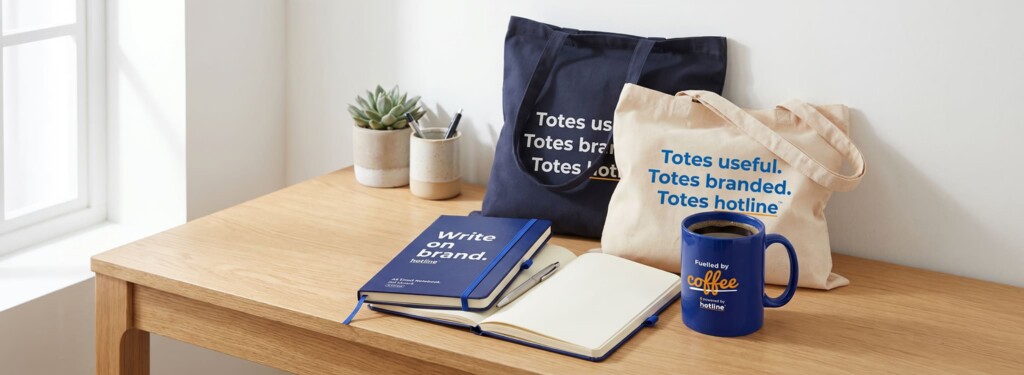
The most effective promo products are those people genuinely use.
Examples include:
• Water bottles
• Notebooks
• Tote bags
• Tech accessories
• Travel products
• Corporate gifts
Products should support the needs of the target audience rather than simply offer the lowest unit cost.
Measurable Outcomes
Successful organisations track results and compare performance over time.
This enables better budgeting and smarter future decisions.
How to Audit Your Current Promotional Products Strategy
The simplest way to audit your strategy is to review every campaign from the last 12–24 months.
Review Your Objectives
Ask:
• What was the campaign designed to achieve?
• Was success measured?
• Did the activity support wider marketing goals?
Many organisations discover they have been distributing merchandise without clearly defined outcomes.
Assess Product Performance
Review each product used.
Consider:
• Was it distributed successfully?
• Did recipients keep it?
• Was it used regularly?
• Did it generate positive feedback?
Products that remain visible and useful often deliver the strongest long-term value.
Evaluate Audience Relevance
Ask whether the products matched recipient expectations.
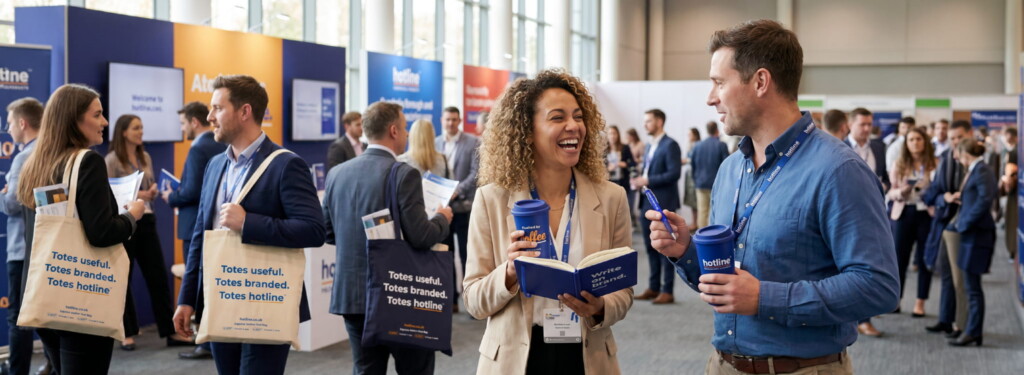
For example: A branded power bank may perform well at a technology exhibition but less effectively at a community fundraising event.
Audience fit is often one of the strongest indicators of campaign success.
Measure Promotional Products ROI
Promotional products ROI can be measured using several indicators:
• Leads generated
• Sales opportunities created
• Website visits
• Event engagement
• Social media mentions
• Customer retention metrics
Not every campaign needs direct sales attribution, but every campaign should have measurable outcomes.
Review Branding Consistency
Your branding should be:
• Clear
• Professional
• Legible
• Consistent with wider marketing activity
Poor artwork placement or low-quality print can reduce effectiveness.
This is where hotline™’s free 20-minute Visual Proof™ can help. Before placing an order, customers can see how their logo will appear on selected products, helping reduce mistakes and improve branding consistency.
Which Metrics Should You Track?
The right metrics depend on campaign objectives.
Lead Generation
Track:
• Enquiries
• Contact form submissions
• QR code scans
• Event conversations
Brand Awareness
Monitor:
• Social mentions
• Repeat exposure
• Product usage visibility
Customer Retention
Review:
• Repeat purchases
• Customer feedback
• Loyalty programme participation
Employee Engagement
Measure:
• Staff satisfaction
• Onboarding feedback
• Event participation
Common Promotional Product Strategy Mistakes
Many organisations make similar mistakes when planning branded merchandise campaigns.
Choosing Products Based on Price Alone
Low-cost products can appear attractive but may deliver limited long-term visibility.
Useful products often provide better value over time.
Ignoring Audience Preferences
A product that appeals to one audience may be irrelevant to another.
Audience research should always guide selection.
Lack of Measurement
Without measurement, promotional products become a cost rather than an investment.
Poor Branding Execution
Overly large logos, cluttered artwork, or difficult-to-read designs can reduce product effectiveness.
Using hotline™’s free 20-minute Visual Proof™ allows buyers to review artwork before production and make adjustments if required.
How to Improve Your Promotional Products Strategy
The fastest way to improve your promotional products strategy is to focus on usefulness, relevance, and measurement.
Focus on Usefulness
Products used repeatedly generate more impressions.
Examples include:
• Reusable drinkware
• Tote bags
• Tech accessories
• Desk products
Match Products to Objectives
Different objectives require different products.
For example:
Recruitment: Onboarding packs, notebooks
Events: Tote bags, bottles
Customer loyalty: Premium corporate gifts
Brand awareness: Everyday-use products
Improve Branding Quality
Clear branding improves recall.
Before ordering, request a free 20-minute Visual Proof™ to check logo positioning and ensure the finished product supports your brand standards.
Plan Campaigns Earlier
Early planning allows:
• Better product selection
• More branding options
• Reduced rush costs
• Improved campaign coordination
Looking for ideas for your next campaign? Browse the latest branded merchandise options and promotional product trends on the Hotline Blog.

Building a Long-Term Promotional Products Strategy
The most successful organisations treat promotional products as part of a wider marketing strategy rather than one-off purchases.
A long-term approach typically includes:
• Defined objectives
• Annual planning
• Audience segmentation
• Product testing
• Performance measurement
• Regular reviews
This helps ensure branded merchandise continues to support marketing, sales, recruitment, and customer engagement goals.
Conclusion
A promotional products strategy should not be left unchanged year after year.
By reviewing objectives, measuring performance, assessing audience relevance, and improving product selection, organisations can achieve stronger results from their branded merchandise investment.
Regular audits help identify opportunities, improve promotional products ROI, and ensure future campaigns remain effective.
If you’re reviewing your promotional products strategy, Hotline can help you identify suitable products, compare options, and visualise your branding with a free 20-minute Visual Proof™ before you order. Explore the latest options at promotional products supplier.
People Also Ask / FAQ Section
How often should I review my promotional products strategy?
Most organisations should review their promotional products strategy annually. Businesses running frequent campaigns may benefit from quarterly reviews to identify trends, improve product selection, and optimise spending.
How do you measure promotional products ROI?
Promotional products ROI can be measured through lead generation, sales opportunities, customer retention, event engagement, website traffic, and brand awareness metrics. The most appropriate measure depends on campaign objectives.
What are the most effective promo products?
The most effective promo products are useful, relevant, and regularly used by recipients. Water bottles, tote bags, notebooks, tech accessories, and reusable products often deliver strong long-term brand exposure.
Why do promotional products sometimes fail?
Promotional products often fail when they are poorly targeted, low quality, difficult to use, or disconnected from campaign objectives. Lack of measurement can also make it difficult to determine effectiveness.
Should promotional products be part of a wider marketing strategy?
Yes. Promotional products work best when integrated with broader marketing, recruitment, customer retention, and brand awareness activities rather than being treated as standalone giveaways.
What is the first step in a promotional products audit?
The first step is reviewing campaign objectives. Understanding what each activity was intended to achieve provides the foundation for measuring performance and identifying areas for improvement.